
Sub-Total: $0.00
Bios
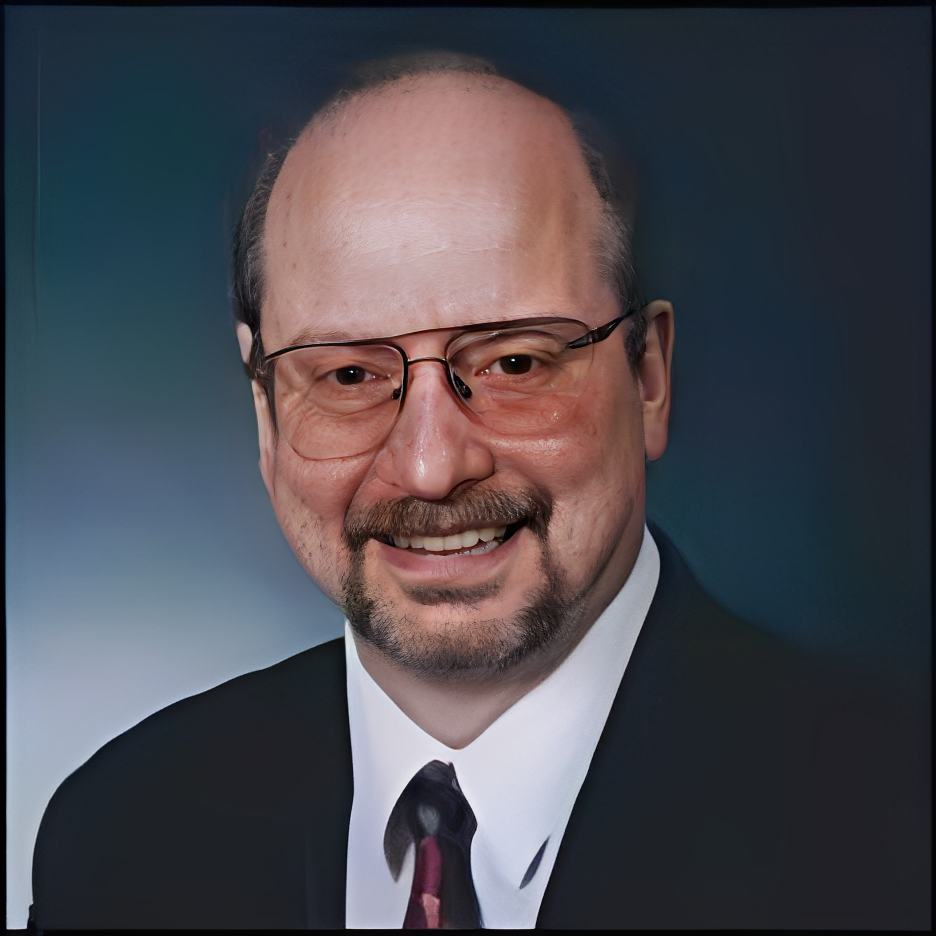
John W. Michael: Leading the Way in O&P Education and Treatment
John W. Michael (August 28, 1949 – July 25, 2024) was a transformative figure in the field of rehabilitation, known for bridging the gap between clinical practice and academic research. His journey began at Michigan State University, where he earned a bachelor's degree in psychology in 1971. After finding inspiration through his father-in-law, he pivoted to the technical sciences, pursuing specialized education at the Northwestern University Prosthetics-Orthotics Center (NUPOC). He completed the prosthetics program in 1976 and the orthotics program in 1981, eventually earning a master’s degree in technical education. Michael’s early professional career was marked by clinical excellence at Scheck & Siress in Oak Park, Illinois, where he served as a Certified Prosthetist-Orthotist (CPO).
His leadership potential quickly drew national attention, leading to his appointment as the Director of the Prosthetics and Orthotics Department at Duke University Medical Center in 1985. During his tenure at Duke, he became a prolific author and served as President of the American Academy of Orthotists and Prosthetists (AAOP) from 1989 to 1990.In 1992, Michael joined Ottobock as the Director of Professional and Technical Services, where he spent nearly a decade influencing product development and international standards. During his time at Duke, he solidified his academic legacy by co-editing and authoring the Atlas of Amputations and Limb Deficiencies, edited by Douglas Smith MD, John Bowker MD, a definitive text often considered the "bible" of the industry.
Following his time at Ottobock, Michael evolved his professional practice by founding CPO Services, a private consulting firm that allowed him to provide high-level guidance to both manufacturers and educational institutions. A significant portion of this consulting work involved a deep partnership with Horton’s Orthotics & Prosthetics, where he played a pivotal role in the development and refinement of the Stance Control Orthotic Knee Joint (SCOKJ). His expertise helped perfect this revolutionary joint, which stabilizes the knee during weight-bearing while allowing for a natural gait. He eventually returned to Northwestern as Associate Director of NUPOC in 2009, crowning his career by unifying the center’s education and research divisions before his retirement in 2020.
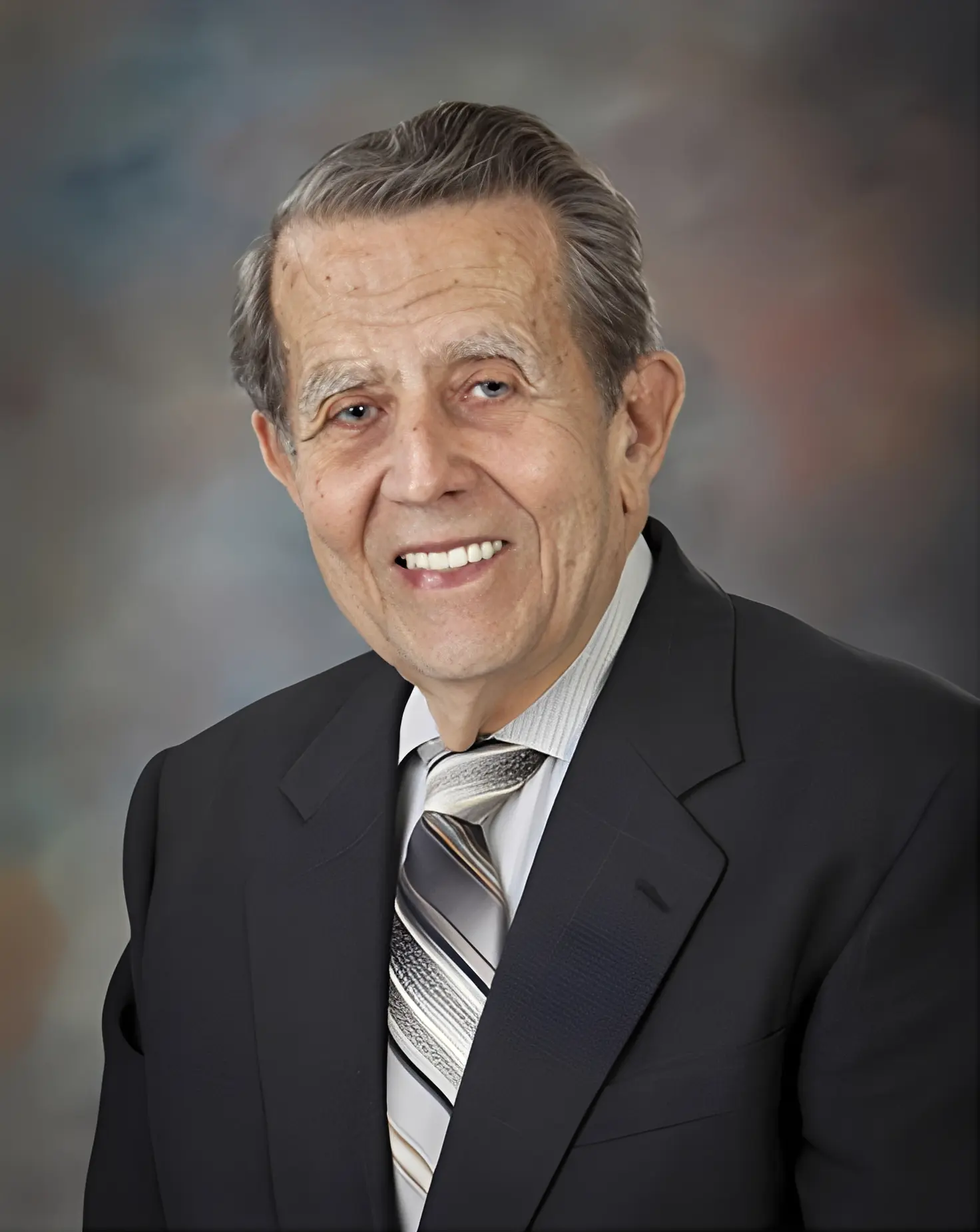
Dr. Augusto Sarmiento: Pioneer of Functional Fracture Care
Dr. Augusto Sarmiento (1927–2023) was a pioneering orthopedic surgeon, educator, and medical leader whose work transformed the treatment of fractures. Born in Colombia and later building his career in the United States, he became internationally known for challenging traditional methods and promoting approaches that improved both healing and patient mobility. His career reflected not only technical brilliance, but also determination, originality, and a lifelong commitment to improving orthopedic care.
His most influential achievement was the development of functional fracture bracing, often associated with the Sarmiento Method. Instead of relying solely on rigid immobilization, this approach encouraged controlled motion and progressive activity during recovery. The method reshaped fracture management and influenced orthopedic practice around the world. Dr. Sarmiento also helped advance total hip replacement surgery, introduced the use of bone cement in Florida, and developed one of the first titanium hip prostheses, demonstrating the wide range of his surgical innovation.
Beyond his clinical innovations, Dr. Sarmiento was a major force in orthopedic education and leadership. He served as President of the American Academy of Orthopaedic Surgeons and of The Hip Society, and chaired orthopedic departments at the University of Miami and the University of Southern California. Over the course of his career, he authored dozens of books and hundreds of scholarly papers, helping shape generations of surgeons and researchers. Today, he is remembered as a visionary physician whose ideas changed modern orthopedics and whose legacy continues to influence patient care worldwide.
Timelines
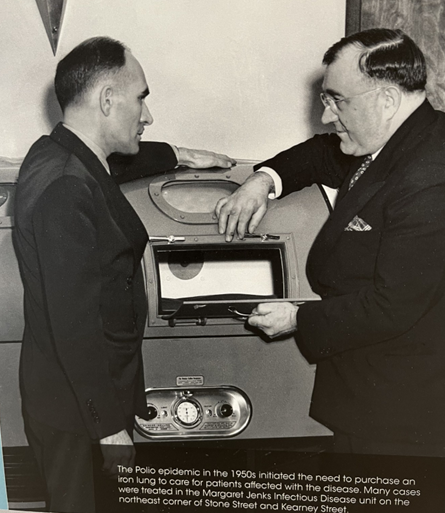
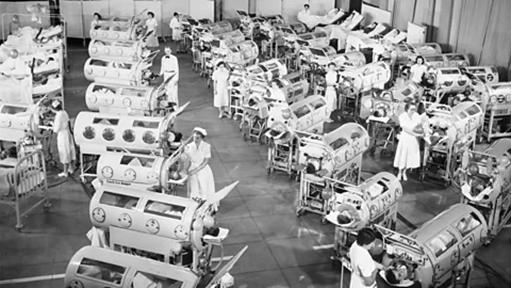
Iron Lung Timeline (1927-2020)
1927
Drinker & Shaw invent the iron lung
1928
First successful clinical use
1929
Drinker respirator published
1931
Emerson introduces improved design
1952
U.S. polio cases peak
1955
Salk polio vaccine announced
1961
Modified iron lung used in neonatal care
1979
No U.S. community polio cases
2020
Renewed interest during COVID-19
Curabitur Faucibus
Vestibulum ante ipsum primis in faucibus orci luctus et ultrices posuere cubilia curae; Aliquam luctus libero ac mattis fringilla. Donec vitae leo vel augue fringilla volutpat. Sed congue dui ut sapien hendrerit, at consequat nunc dignissim. Praesent eleifend at mauris a aliquam. Donec sit amet risus velit. Vestibulum ante ipsum primis in faucibus orci luctus et ultrices posuere cubilia curae;

Elementum Neque
Nam orci erat, porta quis bibendum sed, fermentum vel nisl. Praesent vulputate augue neque, vitae feugiat justo dignissim non.
Vestibulum Ante
Duis id arcu est. Nullam auctor, augue maximus ultricies consectetur, mauris ante rhoncus purus, vel aliquam nunc purus at eros.
Vehicula Egestas
Aliquam vel feugiat urna. Nullam vestibulum non purus id vehicula. Quisque justo dolor, aliquet sit amet gravida eget, tempor quis odio.