Sub-Total: $0.00
John Bowker: Restoring Motion - Reclaiming Life
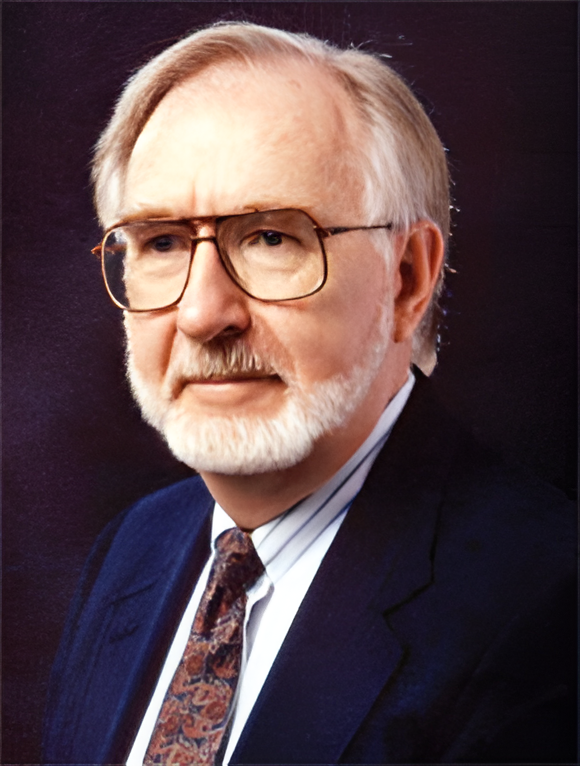
John Hall Bowker, MD (1928–2020), was an orthopedic surgeon who helped transform modern approaches to amputation, prosthetics, rehabilitation, and diabetic foot care. Over a career spanning more than six decades, he combined surgery, teaching, writing, and professional leadership, earning a reputation as a strong advocate for patients whose mobility and independence depended as much on long-term rehabilitation as on surgery itself.
Born in Springfield, Massachusetts, and raised in Albany, New York, Bowker served in the U.S. Navy during the final years of World War II. He later studied medicine in Albany and completed his orthopedic surgery residency at the University of Pittsburgh in 1961. These early experiences gave him both the rigor of traditional surgical training and a lasting interest in functional outcomes, especially for patients facing limb loss, chronic disability, or complex foot conditions.
In 1962, Bowker joined the University of Arkansas Medical Center, where he spent two decades building the work that first brought him national recognition. During that time, he became closely involved in developing programs in orthopedic rehabilitation, prosthetics and orthotics, and foot and ankle care.
Working with Dr. Drompp, chief of orthopedics, Bowker helped create a rotating residency program serving two VA hospitals, the medical center, Arkansas Children’s Hospital, and Baptist Hospital. His work with amputee patients at the VA led him to focus on preventing skin breakdown, which also sharpened his interest in diabetic foot ulcers and the need for accurate diagnosis, pressure relief, and effective treatment, including total-contact methods.
He also worked to prevent skin breakdown through total-contact approaches, wheelchair seating, and custom support systems. In this effort, he collaborated with his wife, Alice Bowker, an OT, and Gary Horton, a CO, with support from United Cerebral Palsy. This period reinforced his lifelong commitment to team-based rehabilitation.
In the late 1980s, Bowker gathered research and wrote articles that helped shape a major reference work on limb loss and prosthetic care. Atlas of Limb Prosthetics, first published by the American Academy of Orthopaedic Surgeons in 1981, became a key text in the field. Bowker became co-editor with the second edition in 1992, and later editions were retitled Atlas of Amputations and Limb Deficiencies.
Bowker’s influence extended well beyond the operating room through publications that became standard references. He authored or edited major works including The Diabetic Foot, Atlas of Limb Prosthetics, and Atlas of Amputations and Limb Deficiencies. These books helped define best practices for surgeons, prosthetists, therapists, and rehabilitation teams, reflecting his belief that successful care depends on integrating surgery, prosthetic design, and long-term functional planning.
He also played a major leadership role in the professional organizations that shaped orthopedic and prosthetic practice in the United States. Bowker served on the Board of Directors for Certification in Orthotics and Prosthetics from 1968 to 1981, contributed to national rehabilitation policy, and was a member or fellow of organizations including the American College of Surgeons, the American Academy of Orthopaedic Surgeons, the American Orthopaedic Association, the Orthopaedic Rehabilitation Association, and the International Society for Prosthetics and Orthotics. Through this work, he advanced higher standards of training, credentialing, and interdisciplinary care. He was also a longtime contributor to the NUPOC continuing medical education short course for physicians and therapists.
In 1982, Bowker joined the University of Miami Miller School of Medicine as a professor of orthopedic surgery, expanding his impact as a teacher, lecturer, and mentor. Colleagues and former trainees remembered him not only as a distinguished surgeon, but also as a compassionate physician devoted to diabetic, indigent, and disabled patients.
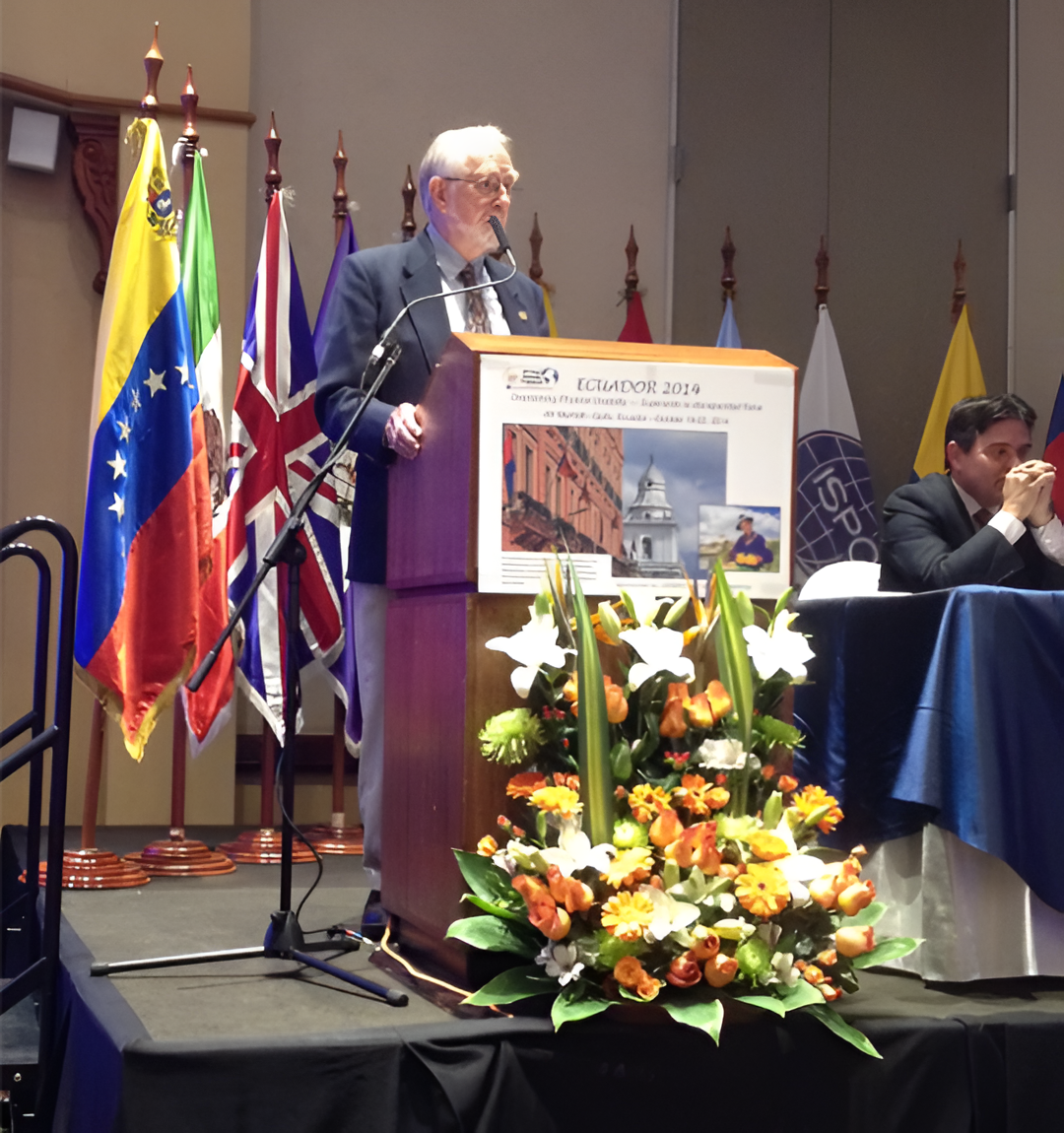
Bowker was an active member of the U.S. ISPO Member Society and helped define organizational criteria as the society evolved. He also contributed to the International Organization for Standardization and several of its subcommittees. He lectured widely, provided surgical assistance during his travels—especially in Latin America and Europe—and spoke at medical conferences around the world. He served on the NIH Advisory Board for the National Center for Medical Rehabilitation Research, was president of the Orthopaedic Rehabilitation Association, and was an honorary member of the American Academy of Orthotics and Prosthetics.
He died on October 28, 2020, at age ninety-two. His historical significance lies in how he reframed amputation and rehabilitation—not as an endpoint of failure, but as the beginning of restored function, dignity, and mobility.