
Sub-Total: $0.00
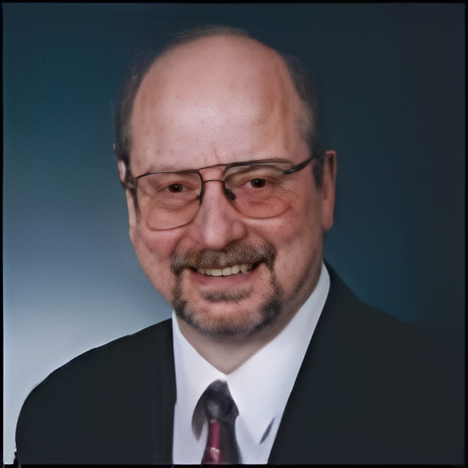
John W. Michael: Leading the Way in O&P Education and Treatment
John W. Michael (August 28, 1949 – July 25, 2024) was a transformative figure in the field of rehabilitation, known for bridging the gap between clinical practice and academic research. His journey began at Michigan State University, where he earned a bachelor's degree in psychology in 1971. After finding inspiration through his father-in-law, he pivoted to the technical sciences, pursuing specialized education at the Northwestern University Prosthetics-Orthotics Center (NUPOC). He completed the prosthetics program in 1976 and the orthotics program in 1981, eventually earning a master’s degree in technical education. Michael’s early professional career was marked by clinical excellence at Scheck & Siress in Oak Park, Illinois, where he served as a Certified Prosthetist-Orthotist (CPO).
His leadership potential quickly drew national attention, leading to his appointment as the Director of the Prosthetics and Orthotics Department at Duke University Medical Center in 1985. During his tenure at Duke, he became a prolific author and served as President of the American Academy of Orthotists and Prosthetists (AAOP) from 1989 to 1990.In 1992, Michael joined Ottobock as the Director of Professional and Technical Services, where he spent nearly a decade influencing product development and international standards. During his time at Duke, he solidified his academic legacy by co-editing and authoring the Atlas of Amputations and Limb Deficiencies, edited by Douglas Smith MD, John Bowker MD, a definitive text often considered the "bible" of the industry.
Following his time at Ottobock, Michael evolved his professional practice by founding CPO Services, a private consulting firm that allowed him to provide high-level guidance to both manufacturers and educational institutions. A significant portion of this consulting work involved a deep partnership with Horton’s Orthotics & Prosthetics, where he played a pivotal role in the development and refinement of the Stance Control Orthotic Knee Joint (SCOKJ). His expertise helped perfect this revolutionary joint, which stabilizes the knee during weight-bearing while allowing for a natural gait. He eventually returned to Northwestern as Associate Director of NUPOC in 2009, crowning his career by unifying the center’s education and research divisions before his retirement in 2020.