
Sub-Total: $0.00
Dr. Ernest Burgess: Pioneer in Prosthetics and the Seattle Foot
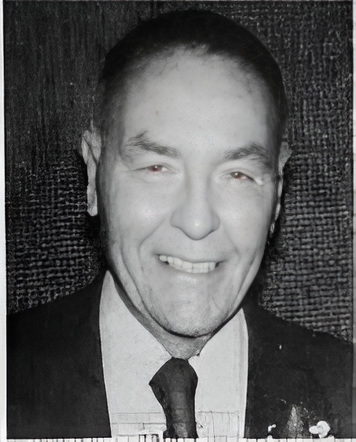
Dr. Ernest M. Burgess (1911–2000) was a Seattle orthopedic surgeon, researcher, teacher, and humanitarian whose work helped reshape modern prosthetics and orthotics. His commitment to amputee care began during World War II, when he served as an Army surgeon in the Pacific and treated large numbers of soldiers with devastating limb injuries. That experience shaped the rest of his career: he believed artificial limbs should do more than replace what was lost—they should restore mobility, dignity, independence, and the possibility of an active life. A portrait of Dr. Burgess can be placed beside this opening section to introduce him as the central figure of the biography.
After the war, Dr. Burgess returned to Seattle, where he became a clinical professor of orthopedics at the University of Washington and a leading figure in rehabilitation research through the Seattle VA Medical Center. He helped develop improved surgical and rehabilitation methods for amputees, including techniques for below-knee amputations that helped reduce the need for above-knee procedures. His work reflected a practical goal: better surgery, better prosthetic fit, and better long-term function for people living with limb loss.
His best-known achievement was the Seattle Foot, a lightweight, energy-storing prosthetic foot developed through the Prosthetics Research Study at the Seattle VA Medical Center in partnership with the University of Washington. Before its development, many lower-limb prostheses allowed basic standing and walking but limited faster movement, running, and sports. The Seattle Foot addressed that problem with an internal spring-like keel, a foam exterior, and a reinforced toe area. A photo of the Seattle Foot fits naturally beside this paragraph, emphasizing the device as an energy-storing prosthetic foot designed to support more natural movement.
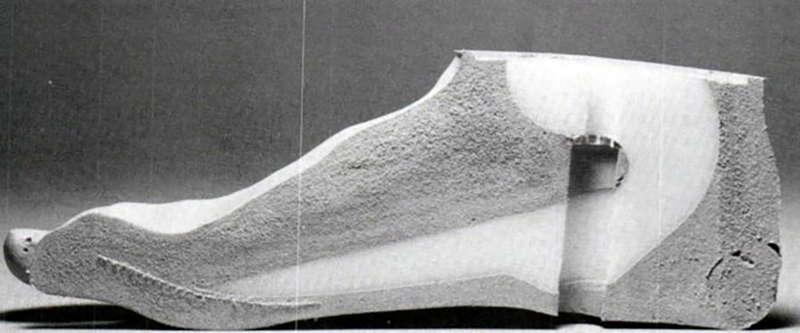
As the user stepped down, the Seattle Foot’s keel stored energy; as the heel lifted and weight shifted forward, it released that energy, creating a smoother stride and stronger push-off. A process drawing showing the internal keel and spring-like energy return should be placed alongside this explanation so readers can connect the design to the way the foot worked. The result was a major advance in prosthetic design: the Seattle Foot helped many amputees walk more naturally and participate in demanding activities such as running, biking, skiing, basketball, weightlifting, and rock climbing. Following clinical testing with Veterans at VA prosthetic clinics across the United States, the device was added to the VA’s approved prostheses list in 1986. By the early 1990s, tens of thousands of people had been fitted with the Seattle Foot, and its spring-based concept influenced later generations of dynamic-response prosthetic feet.
Dr. Burgess also contributed to the development of Shape Maker, computer software designed to create custom prosthetic limbs more quickly and affordably. Shape Maker helped improve the design and production of artificial limbs by supporting lighter, stronger, and more flexible devices than many older wooden prostheses. This work showed Dr. Burgess’s interest not only in new devices, but also in making prosthetic care more efficient, scalable, and accessible to clinics serving large numbers of amputees.
His humanitarian work extended far beyond Seattle. In 1985, Dr. Burgess founded the Prosthetics Outreach Foundation to bring modern prosthetic care to people in countries with limited access to rehabilitation services. In Vietnam, where many civilians and former soldiers had lost limbs to land mines and war-related injuries, his efforts helped provide free prosthetic devices to thousands of amputees. He also helped establish a prosthetic research and treatment center near Hanoi, supporting both medical care and reconciliation between American and Vietnamese communities after the war.
Dr. Burgess’s legacy is defined by the connection between innovation and service. Through the Seattle Foot, Shape Maker, improved amputation techniques, and international outreach, he advanced prosthetics and orthotics while keeping patients’ everyday lives at the center of his work. His career demonstrated that successful rehabilitation is not only about technology—it is about helping people move, work, participate, and live with confidence.