
Sub-Total: $0.00
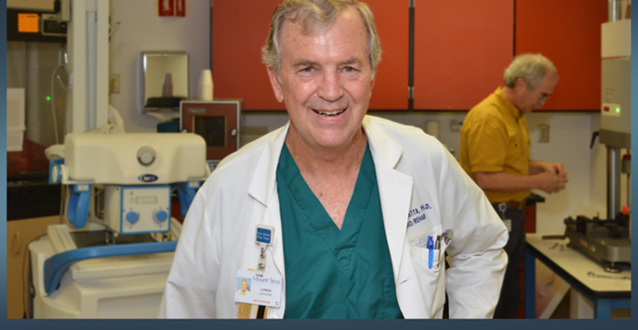
Dr. Loren L. Latta: A Lifetime of Innovation in Orthopaedic Biomechanics
Loren Latta is a biomedical engineer, Professor Emeritus of Orthopaedics at the University of Miami Miller School of Medicine, and a leading voice in orthopaedic biomechanics. Over more than five decades, his work has helped shape how surgeons, engineers, residents, and students understand the mechanics of healing, movement, and patient mobility.
After earning his Bachelor of Science in Mechanical Engineering from Michigan State University in 1966, Latta began his orthopaedics career in July 1967 at the Pope Foundation, later known as the Pope Brace Company, in Illinois. Following a brief period with the Atomic Energy Commission, he returned to orthopaedics and, in October 1972, joined the newly established Department of Orthopaedics and Rehabilitation at the University of Miami. There, he built a long career in biomechanics research and education, becoming Director of Research in 1976 and mentoring generations of orthopaedic residents, medical students, and engineering students.
At the University of Miami, he later earned a Master of Science in Biomedical Engineering in 1978 and a PhD in Mechanical Engineering/Biomechanics in 1979. His academic appointments have included adjunct Professor of Industrial Engineering and adjunct Associate Professor of Biomedical Engineering at UM, as well as an adjunct professorship in the Department of Orthopaedics and Rehabilitation at the University of Texas Medical Branch in Galveston. He has also directed biomechanics research in the Department of Orthopaedics at UM and led the Max Biedermann Institute for Biomechanics at Mount Sinai Medical Center in Miami Beach
Much of Latta’s influence comes from applying engineering principles to real clinical problems. A defining part of his career was his work with Dr. Augusto Sarmiento, whose development of functional fracture bracing changed the way many fractures were treated.
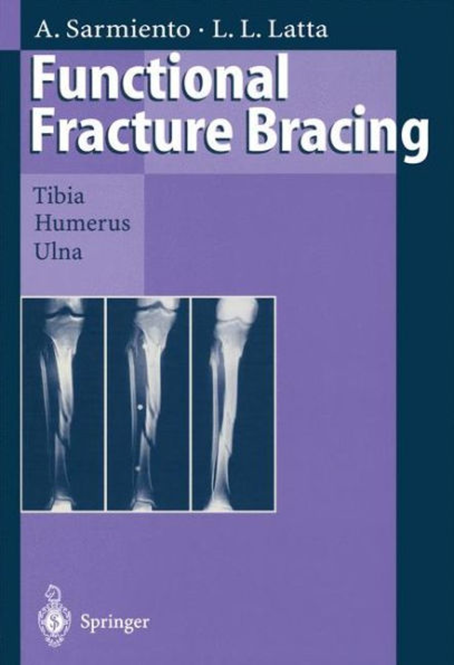
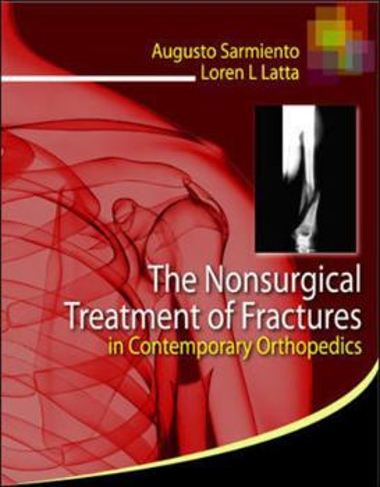
Latta helped bring biomechanical rigor to that work, studying how braces could stabilize injured limbs while still allowing controlled movement, muscle activity, and weight bearing to support healing. His broader research has also explored bone-healing mechanics, joint implants, and ligament repair. Together, these contributions helped advance treatment approaches that support safer mobility during recovery and improved understanding of how the body heals under mechanical load mechanical load.
Beyond the laboratory, Latta has built an unusually broad network of collaborators, working with residents, faculty, engineers, and orthopaedic surgeons across Florida, Texas, California, Alabama, Mississippi, and internationally in Japan, South Korea, Australia, Germany, Austria, Switzerland, France, Ukraine, and Scotland. He has mentored students from high school through graduate, medical, and engineering programs, and his scholarly record includes more than 128 journal articles, 7 textbooks, 46 book chapters, and more than 600 research abstracts. Recognized by the American Academy of Orthopaedic Surgeons for his contributions to patient mobility and biomechanics, Latta’s career reflects a rare combination of technical depth, clinical relevance, and lifelong teaching.