
Sub-Total: $0.00
Timeline AAOS 1933-1949 Orthopedic Milestones
1933–1936
1937–1939
1940
1941
1942–1945
1946–1949
Early AAOS founders and orthopedic educators, along with Marius Smith-Petersen, helped formalize orthopedic education, specialty meetings, and professional exchange. Smith-Petersen’s mold arthroplasty concepts influenced later hip reconstruction.
Marius Smith-Petersen remained important in reconstructive hip surgery, while Gerhard Küntscher introduced intramedullary nailing concepts in 1939, changing fracture fixation by stabilizing long bones internally.
Austin Moore and Harold Bohlman reported early metallic hip replacement work, helping move hip reconstruction toward femoral-head prostheses and implant-based reconstruction.
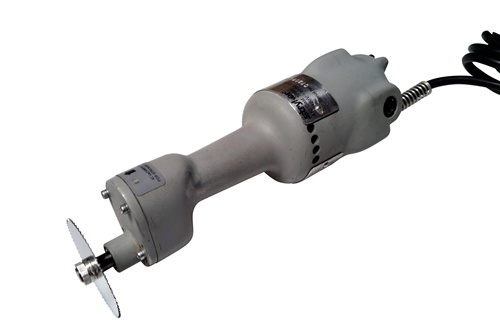
Dr. Homer Stryker founded his orthopedic company, linking surgeon invention with orthopedic device manufacturing and later powered instruments and hospital equipment.
Gerhard Küntscher, military orthopedic surgeons, and Richard Hoover contributed to expanded fracture management, trauma care, limb salvage, amputation care, rehabilitation, and long-cane work for blind rehabilitation.
Austin Moore and postwar orthopedic and rehabilitation surgeons addressed amputees, polio, fracture complications, and reconstructive needs. Hip prosthesis concepts and VA-linked rehabilitation began influencing orthopedic practice.