
Sub-Total: $0.00
Timeline AAOS 1950–1970 Orthopedic Milestones
1950
1951–1954
1955–1959
1960–1962
1963–1966
1967–1969
Sir John Charnley; Frederick Thompson
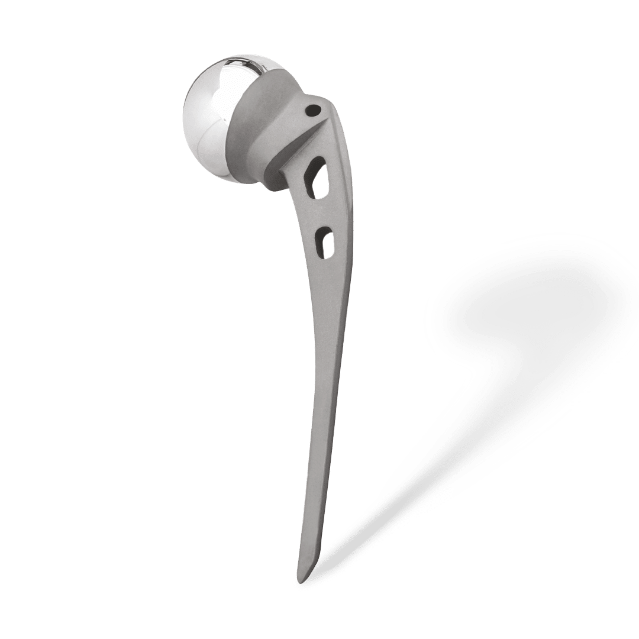
Charnley published influential fracture-treatment work, while Thompson and Moore-type femoral-head prostheses helped advance hip hemiarthroplasty.
Austin Moore; Edward Haboush; early arthroplasty surgeons
Moore refined self-locking metal hip prosthesis concepts, and Haboush’s use of acrylic bone cement helped shape later cemented arthroplasty fixation.
Sir John Charnley; G.K. McKee; J. Watson-Farrar; George Phalen
Charnley’s hip work progressed toward low-friction arthroplasty. McKee and Watson-Farrar advanced metal-on-metal hip replacement concepts, while Phalen clarified carpal tunnel syndrome diagnosis and treatment.
Sir John Charnley; Maurice Müller and AO colleagues
Charnley introduced low-friction total hip arthroplasty with a polyethylene socket and cement fixation. AO surgeons advanced compression plating, fracture principles, and surgeon education.
Sir John Charnley; Maurice Müller; Robert Schneider; Hans Willenegger; Martin Allgöwer
Total hip replacement became more reproducible as AO fracture fixation principles spread through standardized implants, instruments, and teaching.
Frank Gunston; Mark Coventry; early arthroscopy surgeons; Augusto Sarmiento
Gunston’s condylar knee concepts helped lead toward modern total knee replacement. Coventry helped bring total hip replacement into U.S. practice. Arthroscopy moved toward broader orthopedic use, and Sarmiento advanced functional fracture bracing with controlled motion, early mobilization, and rehabilitation.