Sub-Total: $0.00
Hugh Owen Thomas - Father of Modern Orthopedics in the UK
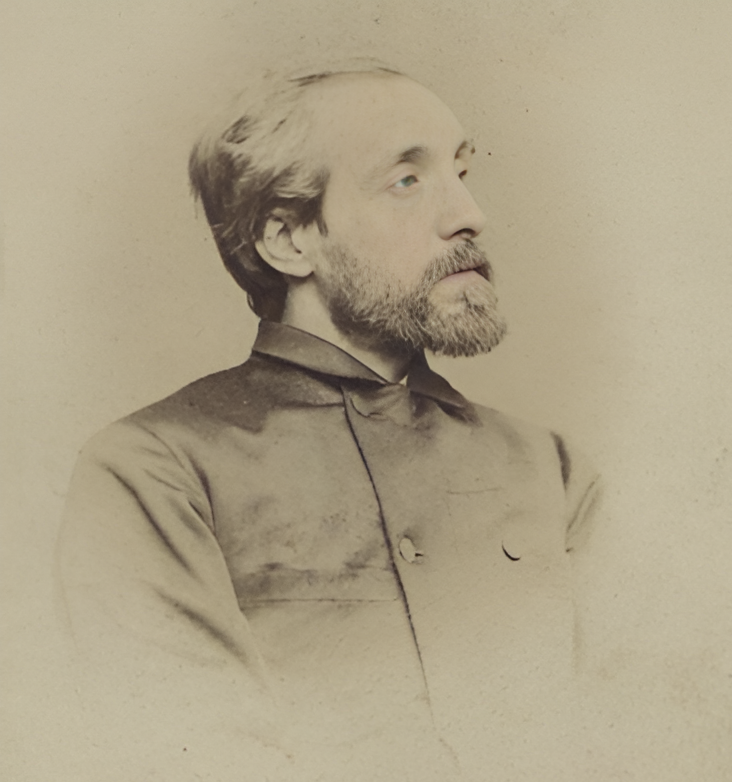
Hugh Owen Thomas (23 August 1834 – 6 January 1891) was a Welsh orthopaedic surgeon considered a founder of modern orthopaedic surgery in the United Kingdom. Born in Bodedern, Anglesey, into a family of Welsh bone-setters, he blended practical experience with medical training in Edinburgh, London, and Paris. This background shaped his focus on rest, alignment, and immobilisation in treating fractures and joint disease. After working briefly with his father in Liverpool, Thomas opened his own practice and later a larger clinic at 11 Nelson Street. There, he treated patients from Merseyside and designed splints, braces, collars, and other devices in an on-site workshop. Though he performed little open surgery, his careful methods and inventive appliances advanced the treatment of fractures, joint disease, and deformities before X-rays were widely used.
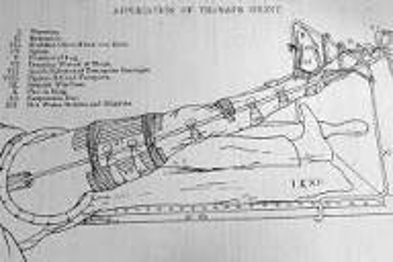
Thomas is best known for the Thomas splint, which stabilized femur and hip fractures and was later widely used during World War I, greatly reducing deaths from femoral fractures. He also developed the Thomas test for hip contracture, the Thomas collar for cervical spine disease, the Thomas manoeuvre for assessing hip injuries, the Thomas wrench for fracture reduction and deformity correction, and the Thomas heel for foot and ankle support.
In 1875, Thomas published Diseases of the Hip, Knee, and Ankle Joints, which outlined several of his key splint designs. His work gained limited recognition during his lifetime because he practiced independently and rarely attended scientific meetings. After his death, his nephew Sir Robert Jones promoted his methods more widely, and the two became known as “the Fathers of Orthopaedic Surgery.”
Thomas died in Liverpool on 6 January 1891, aged 57. His emphasis on enforced, uninterrupted, and prolonged rest, along with his practical devices for support and immobilisation, had a lasting impact on orthopaedic medicine. His ideas influenced surgeons in Britain, the United States, and beyond, helping establish modern fracture care and orthopaedic practice.